

Update (July 20, 2026): After publication of this article, the FDA determined that a previously reported positive Cyclospora test was a false positive, but said that does not change its investigation linking recalled Taylor Farms de Mexico lettuce to the outbreak.
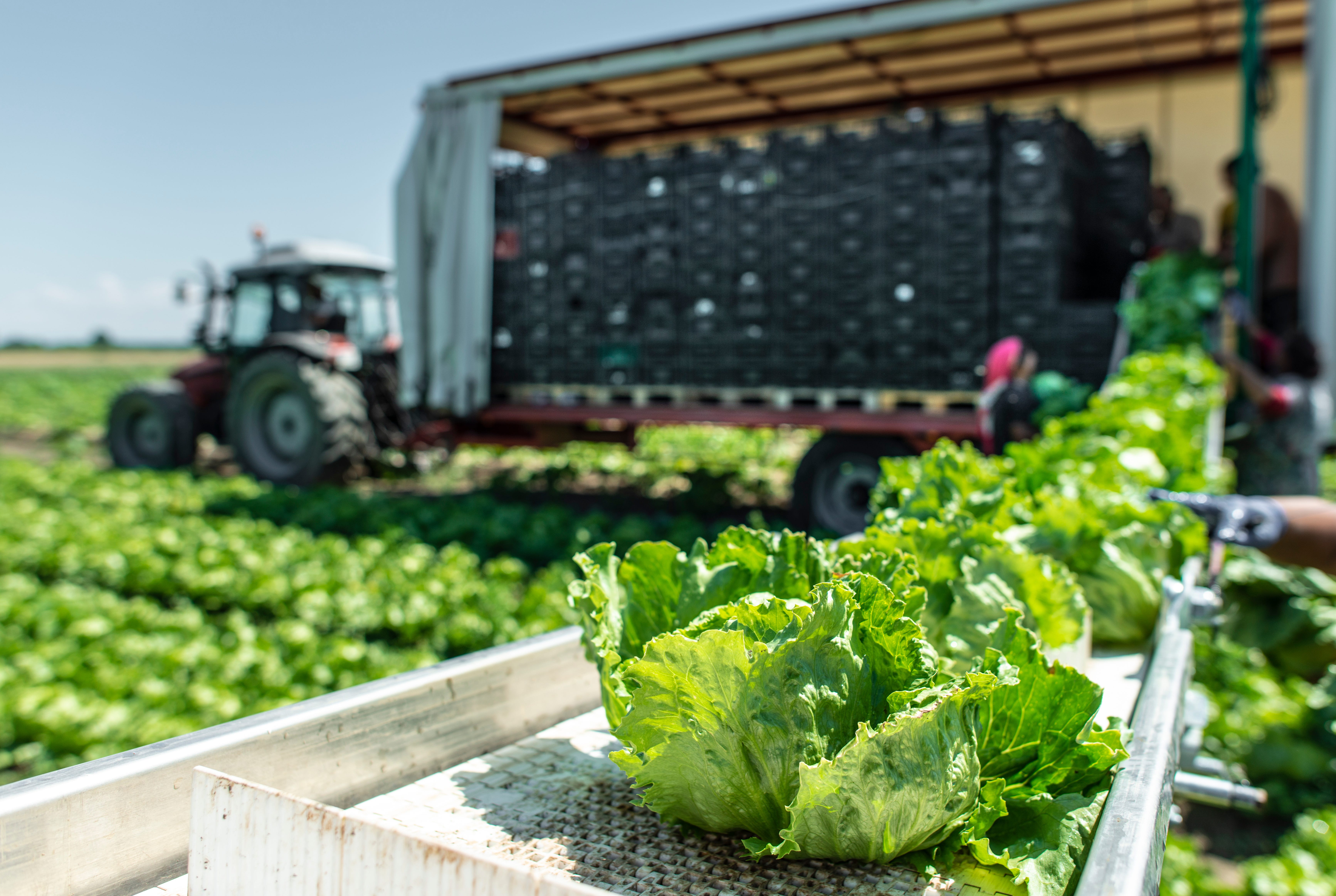
Federal investigators traced iceberg lettuce implicated in the Taco Bell cyclospora outbreak to Taylor Farms de Mexico’s supply chain. The outbreak has sickened thousands of Americans.
The investigation answered one question. It also raised another: How did lettuce from one supplier reach so much of the country?
The answer lies in decades of consolidation. As fewer companies came to supply more of America’s food, a problem involving one supplier gained the potential to reach far more people.
From Regional Markets to National Suppliers
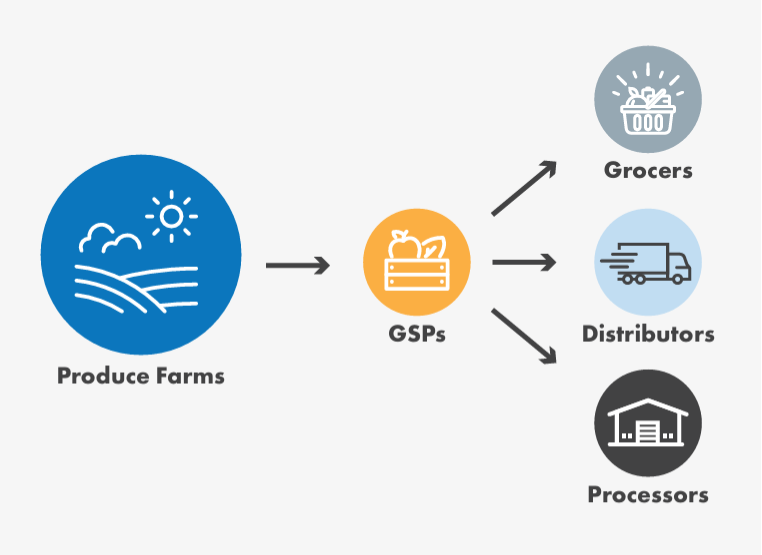
Taylor Farms didn’t become one of the country’s largest fresh produce companies overnight. It is part of a generation of large produce suppliers known as grower-shipper-packers, or GSPs, that emerged as major food buyers began purchasing produce from fewer suppliers.
Over the past three decades, major food buyers—including grocery retailers, restaurant chains, food distributors, and processors—have consolidated, and many stopped buying through regional produce markets. Instead, they increasingly turned to GSPs that could provide a reliable, year-round supply. Buying from a handful of GSPs was simpler than sourcing produce from dozens of regional farms.
Today, an estimated 80 to 90 percent of fresh produce is marketed through GSPs, meaning most fruits and vegetables pass through one of these companies before reaching grocery stores or restaurants. That shift favored companies capable of filling large national contracts, making it harder for many smaller regional farms to compete.
As GSPs expanded, many built production and sourcing networks in Mexico and other countries rather than relying primarily on nearby farms. That helps explain why investigators traced the lettuce implicated in this outbreak to Mexico—even in the middle of summer, when much of the United States is capable of growing lettuce. Companies like Taylor Farms source produce through regional and international networks designed to serve customers across the country.
Why One Supplier Can Reach So Many People
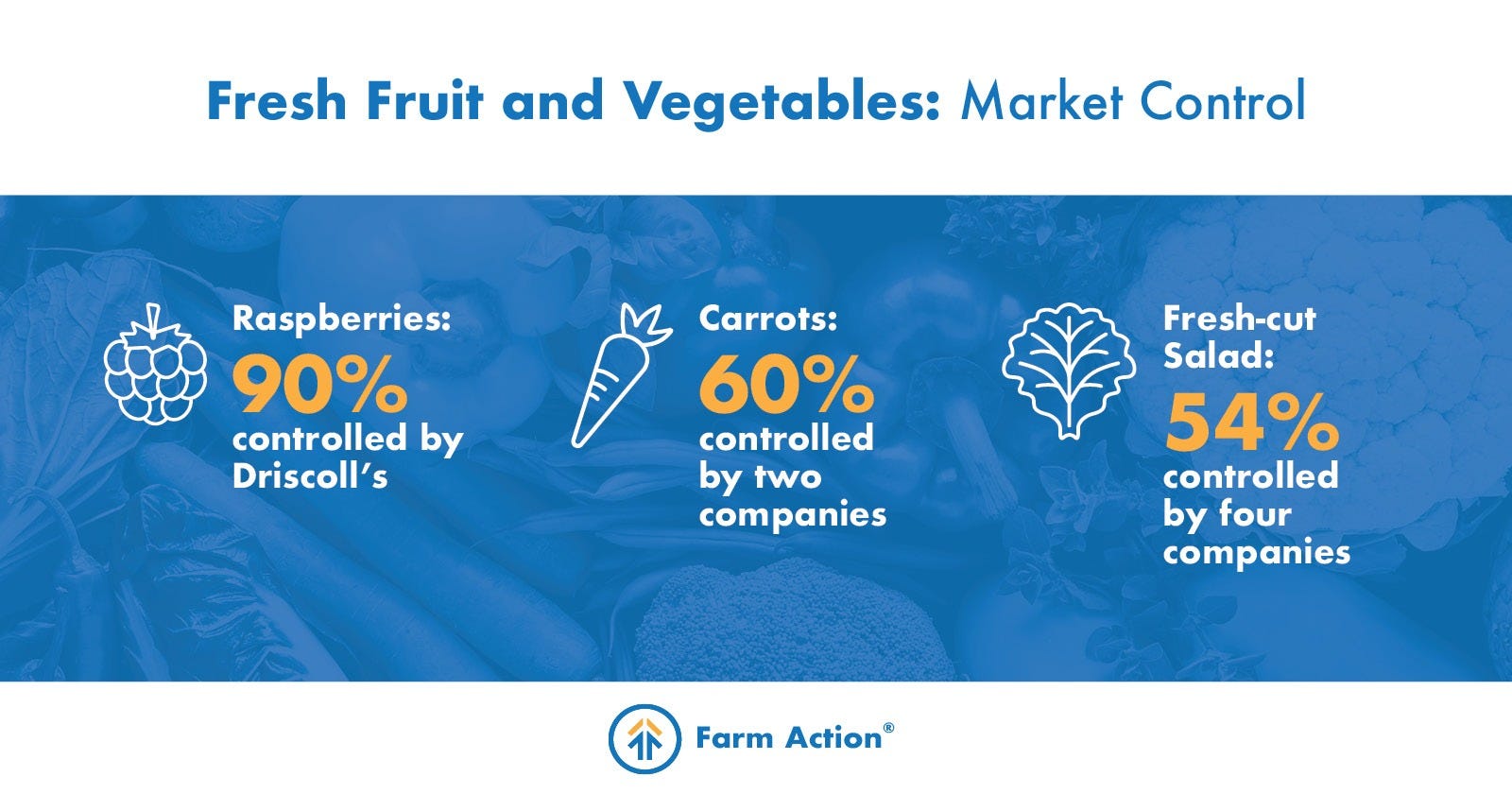
Farm Action’s research found that Taylor Fresh Foods alone controls more than 11 percent of the nation’s fresh-cut salad market, making it one of the country’s largest suppliers. Just four companies control 54 percent of the market.
Many people never buy a bag labeled “Taylor Farms.” The company supplies lettuce to restaurant chains, grocery retailers, institutional food-service companies, food manufacturers, and other businesses that sell food under many different names. If contaminated lettuce enters that system, restaurants and grocery stores across multiple states can receive it before anyone realizes there’s a problem.
Foodborne illness has always existed, and contamination can occur on farms of any size. But when one company supplies food to customers across much of the country, more people are exposed when something goes wrong.
It’s Not Just Produce
The concentration that transformed the produce industry has reshaped much of the food system.
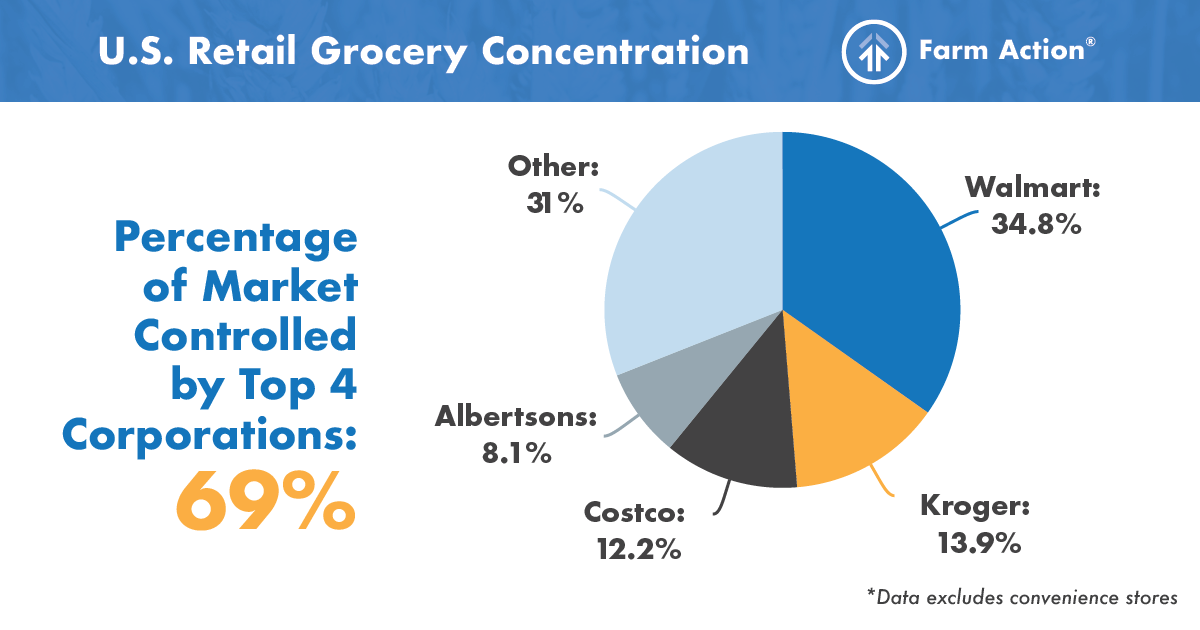
Farm Action’s research found that four grocery retailers now control 69 percent of grocery sales, while food distribution has become increasingly concentrated as well. As large retailers and restaurant chains grew, they increasingly relied on fewer suppliers capable of filling massive contracts. That pressure helped drive consolidation throughout the food supply chain.
The outbreak shows the consequences of that system. Federal investigators traced the implicated lettuce to Taylor Farms de Mexico’s supply chain, which serves customers through a nationwide distribution network.
A generation ago, a single supplier was far less likely to serve so many customers. Today, that’s increasingly common. The result is a food system where a single breakdown can have national consequences.
Great perspective. Thank you for sharing.